Why judgment is worth paying for
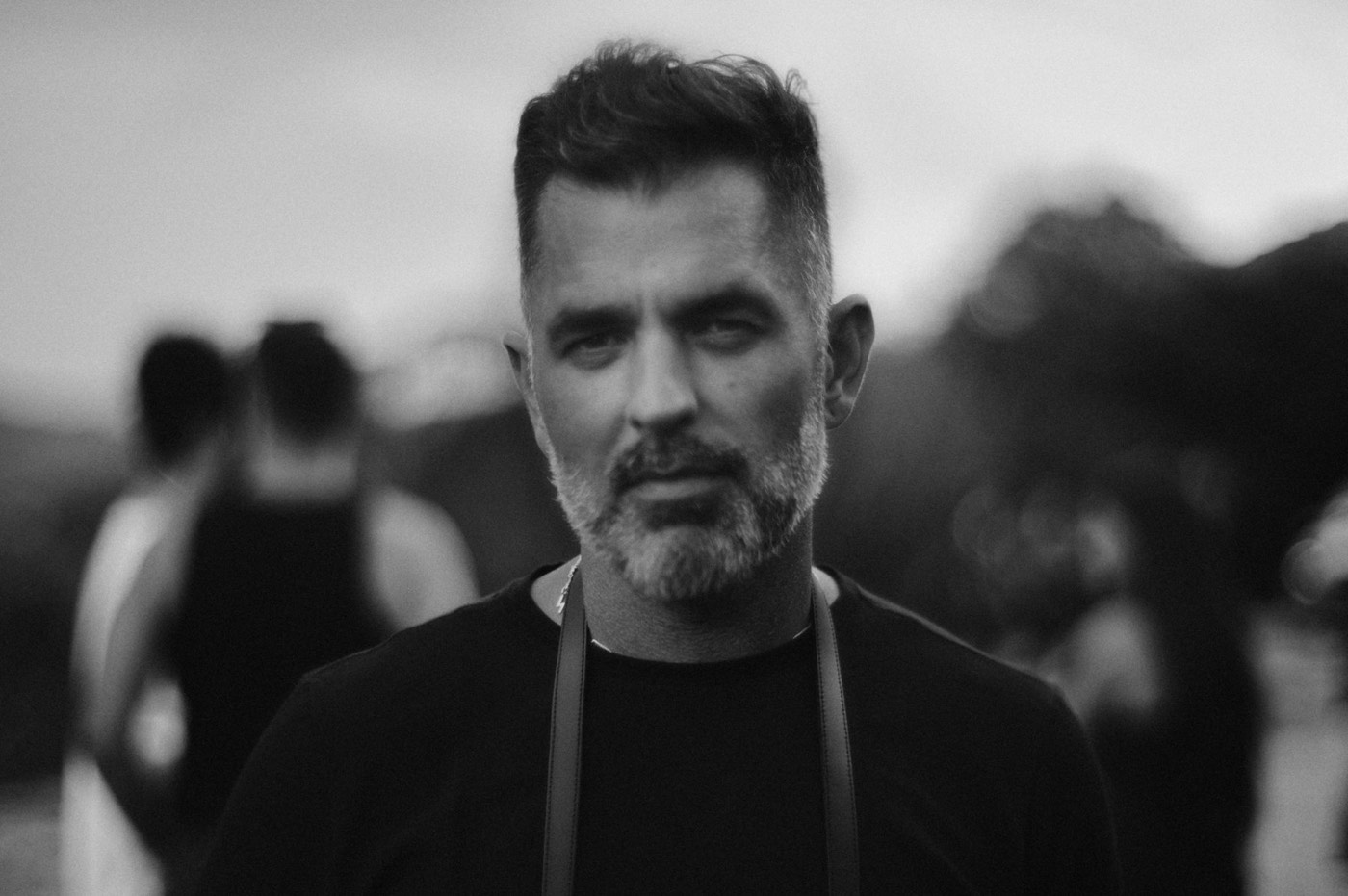
As machines make more things possible, knowing what deserves to exist becomes more valuable. So we invest in people worth knowing by name, for their taste, their authorship, and their point of view.
 MATTEROSLog in
What we believe. Who we are. What we put into the world.
Everyone can make everything now. Almost nobody can tell you what's worth making. So we invest in people worth knowing by name, for their taste, their authorship, their point of view, and we put work into the world that could not belong to anyone else. No pyramid between you and the craft: we took it out and put instruments in its place. The argument underneath all of it: sameness gets easier to produce every year, and we refuse to produce it.
Read what we believe
The people you meet decide what ships, what does not, and what a brand means for the next five years. The instruments cut the hours; they never sign the work. We do not sell hands. Clients who want execution without judgment are not a fit, and we say so in the first conversation rather than the third.
As machines make more things possible, knowing what deserves to exist becomes more valuable. So we invest in people worth knowing by name, for their taste, their authorship, and their point of view.
Taste isn't fixed. It's built, challenged and rebuilt. Through making, questioning, returning to the work and arguing for it. So we give people real responsibility early, and protect the time and space to keep sharpening their judgment.
There is already enough in the world that could belong to anyone, and sameness is only getting easier to produce. So the work we put into the world shouldn't travel well between brands. It should be born from what makes each one unmistakably itself.
Authorship doesn't end when the thing is made. It means staying with what you put into the world, able to explain the choices that shaped it and answerable for what they set in motion. So the person who decided stays reachable after delivery, and nothing ships that nobody is willing to stand behind.
Making is a way of knowing. Some things get understood once they start to exist, and description is a poor substitute for that. So we build enough to learn from the thing itself, and an objection starts a look rather than a verdict.
Full capacity is not the same as full potential. People need room to think, recover and stay curious. So we leave room by design, and turn work down before growth starts consuming what makes growth possible.
Human time is too valuable to spend on what an instrument can repeat. So no activity keeps its repeatable part by default. Not to get more out of people, but to leave more of their time for where being human changes the outcome.
Every studio standing on its own leader, its own P&L, its own reputation, stronger for being part of something larger. The people who earn the client's trust stay responsible for the work that honors it.
The ones the market asks for by name, for their taste, their authorship, their point of view. People whose work travels without being pushed, attracts others to the house and makes clients want to come back.
A mission that never ends is a mission nobody has to finish. Ours ends when the house can stand on what it has built.
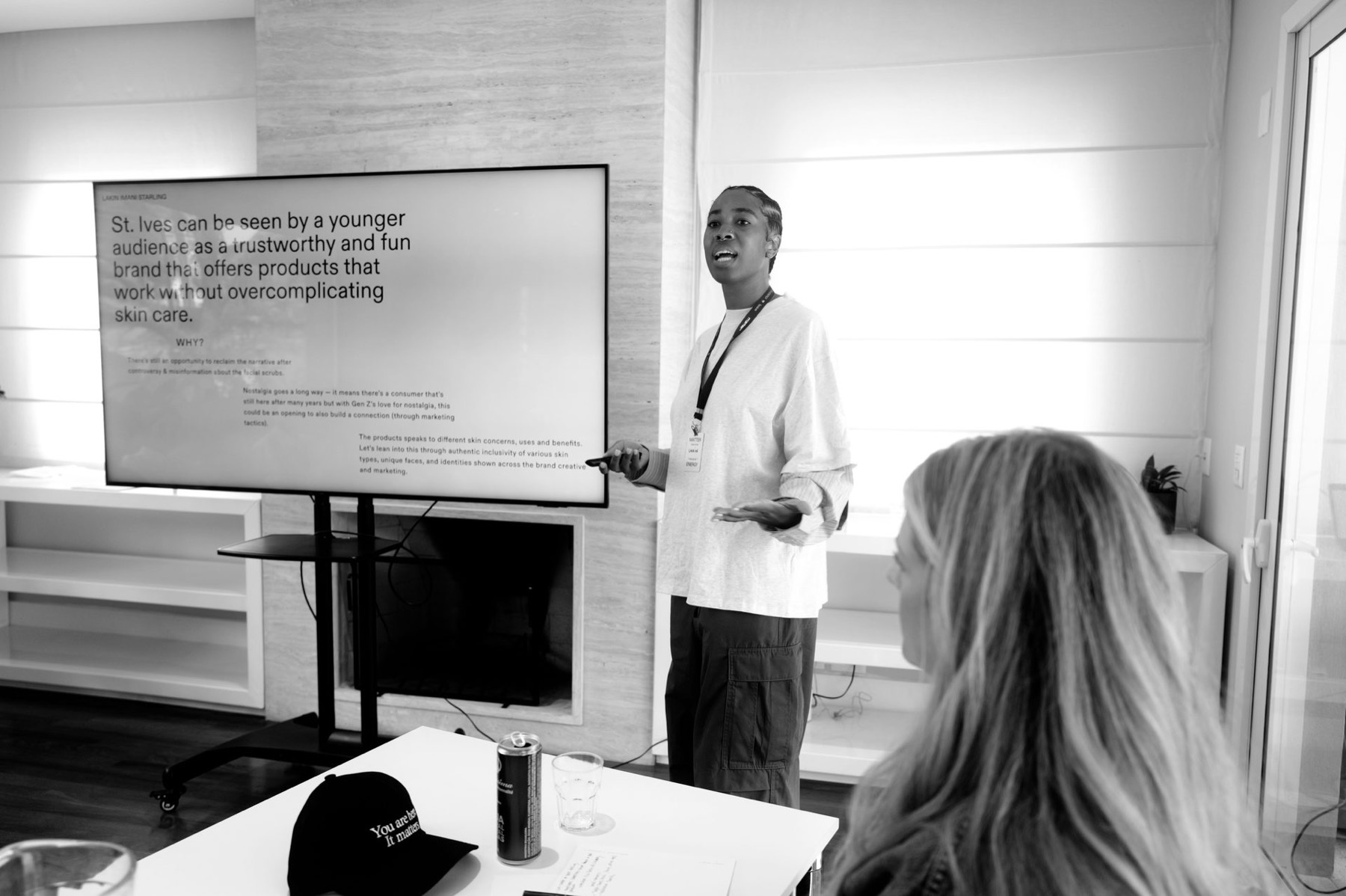
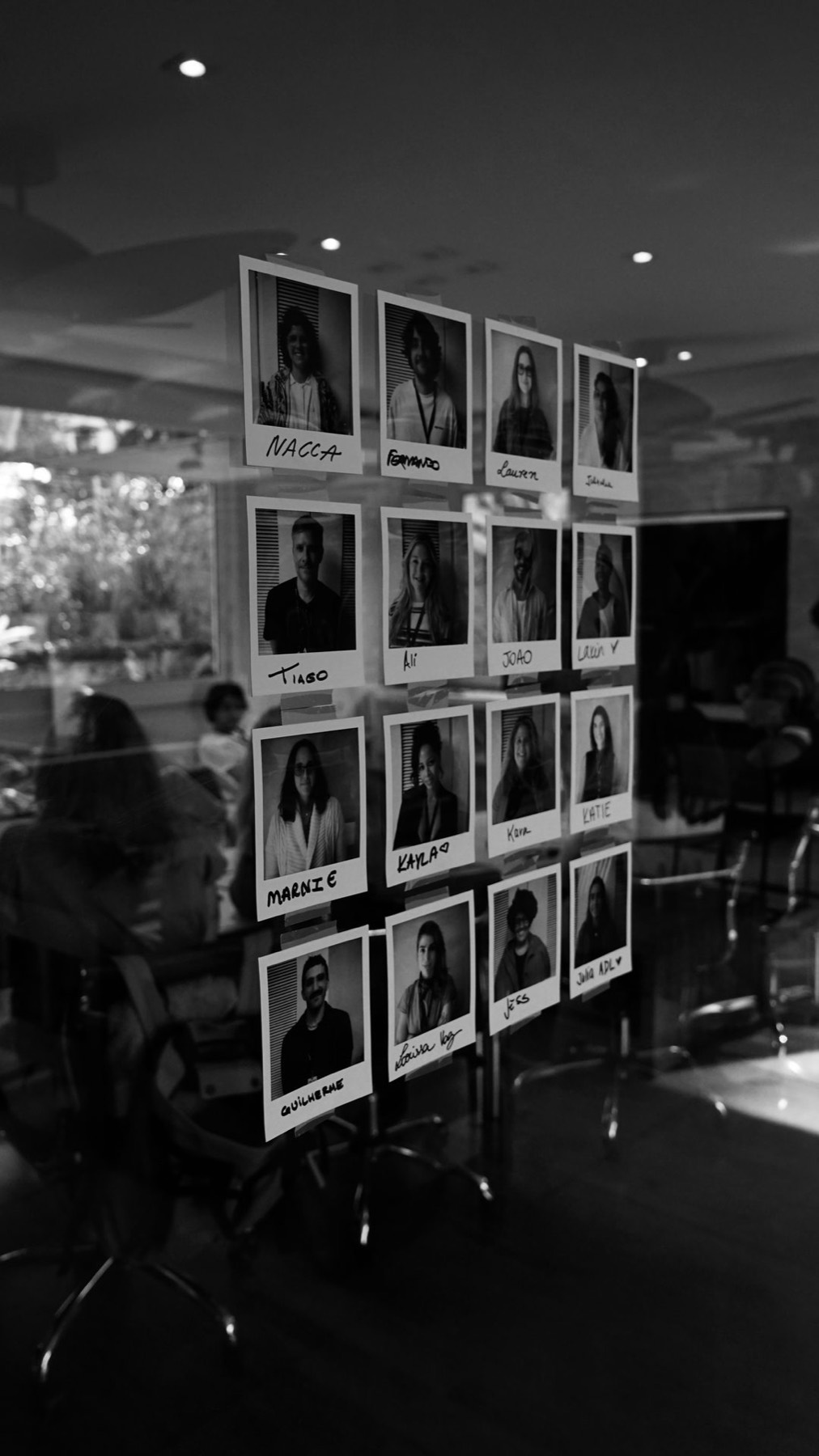
The people trusted to lead the client stay close to the work, start to finish. Seniority doesn't disappear after the sale, and responsibility doesn't get handed down with execution.
We would rather matter deeply to fewer clients than become interchangeable to many. So we ask of every relationship and every project: does this deepen what we know, what we can make, or what the client can become? If it only adds volume, it isn't growth.
Everyone is responsible for continuously questioning how their work gets done. If technology can remove repetition, we expect you to use it. If it changes what is possible, we expect you to explore it. The tool can change the process; responsibility for the outcome stays human.
When something can be made tangible, we make enough of it to learn from. Prototype before overexplaining. Show before speculating. A deck can frame the evidence; it isn't the evidence.
People at Matter are expected to build a public voice of their own, through making, writing, speaking, teaching, publishing or whatever form makes their point of view visible. The reach grows with the seat, but the practice starts early. Silence is not one of the forms. Building your name is part of the job, not something you wait to do once you have the title.
Two-way doors you decide alone; one-way doors go to the table. Publish the numbers. Disagreement in the room, not after.
Every refusal is written down with its reason and circulates, so the next person does not relitigate it. We would rather be rejected for what we are than hired for what we are not, and that gets said in the first conversation.
Critique here goes to the work, with the maker in the room. The judgment is real and the person is never the target: the piece gets taken apart, the author gets taken seriously. Being spared is the disrespect; being read closely is the care.
Beyond the work, in everything else we say to each other: the honest read, the logic that got there, and care for who is hearing it, all three together. Warmth without logic is flattery; logic without warmth is cruelty. Nobody learns from the corridor what the room concluded.
Years of our lives are spent working together, and we refuse to treat the quality of that time as an accident. So knowing each other, being present and creating moments worth sharing are part of the work, with time and intention behind them. Distance requires more effort, not lower expectations.
We give you real authorship, and it stays yours. Real decisions, with the information and trust to make them well. Time and room to go deep and become genuinely good at something. Access to the strongest tools, with the expectation that they give you time back rather than take more from you. Work you can make real, put your name on and carry with you. A public voice we help you build, and the right to be wrong while building it. Honest critique from people invested in making you better. The truth whole and directly, never learned from the corridor. The right to say no without having to earn it again every time. And ambitious work with people you are glad to spend your time with.
Run your part of Matter like it's yours. Stay close to the work you own. Make the call when it's yours to make, and bring it to the table when it isn't. Keep the standard high, the numbers public and the ambition out loud. Build your name beyond these walls. Keep questioning how the work could be done better. Make before overexplaining. Say what you think in the room. Stand behind what ships. Know what we should refuse. Take the work seriously without making the person the target. And put real effort into making this a place worth spending years of your life.
Growth here is uncomfortable by method, not by accident. We give responsibility before someone looks completely ready, because voice, judgment and standing up cannot be acquired privately.