 MATTER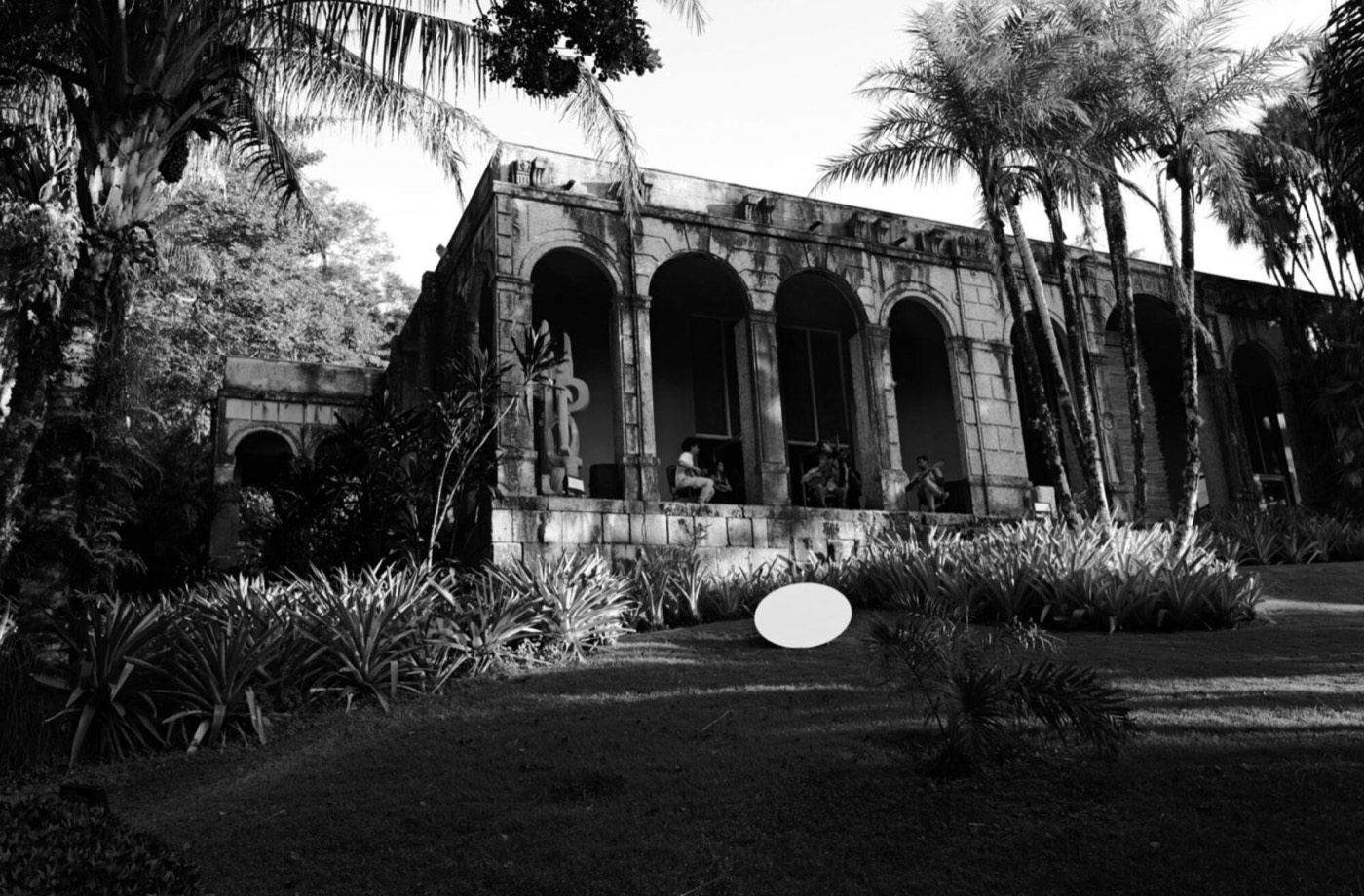
Roberta Tannus, Connections & Culture, on rituals that don’t scale and what a company actually tolerates.
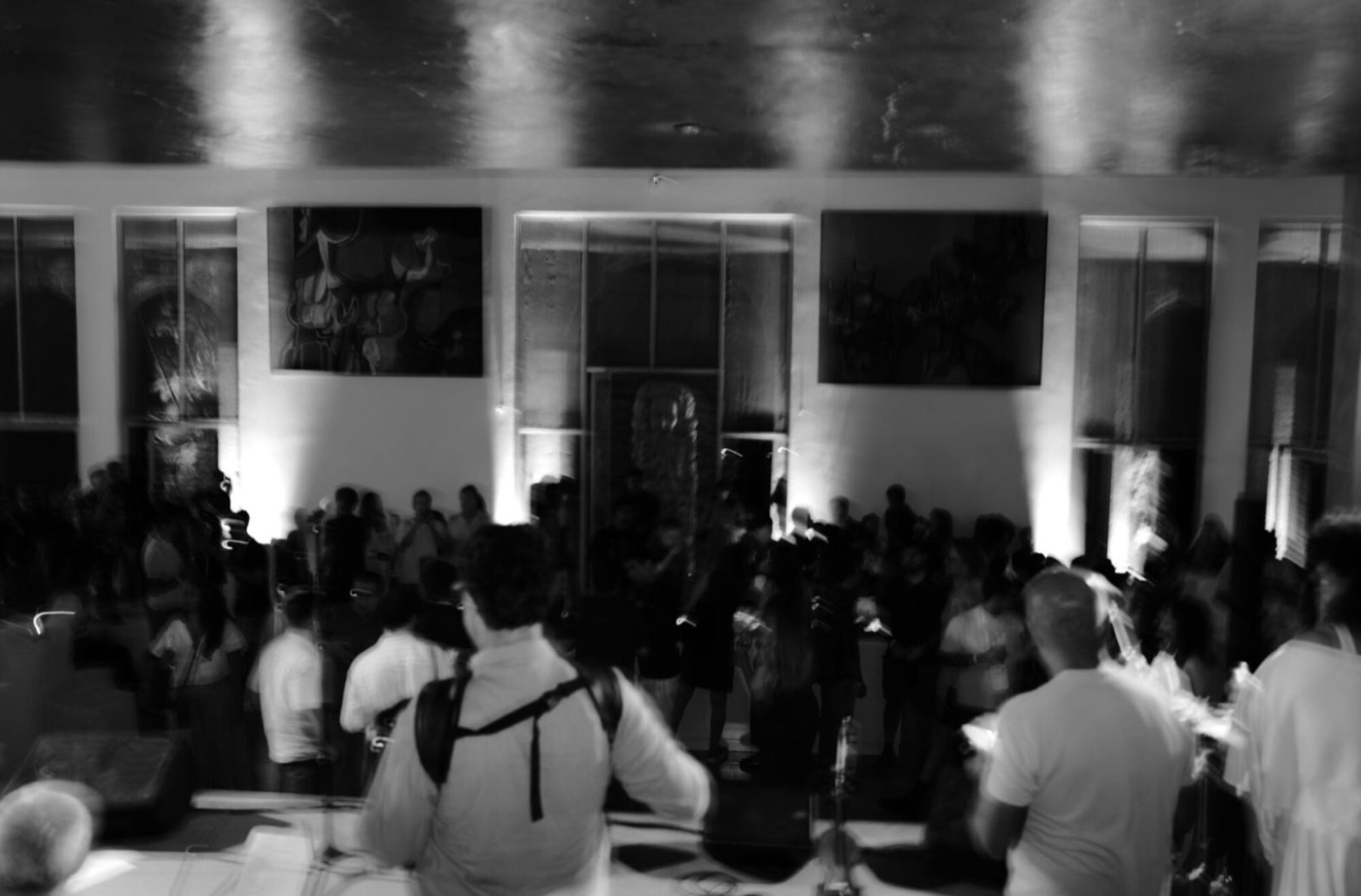
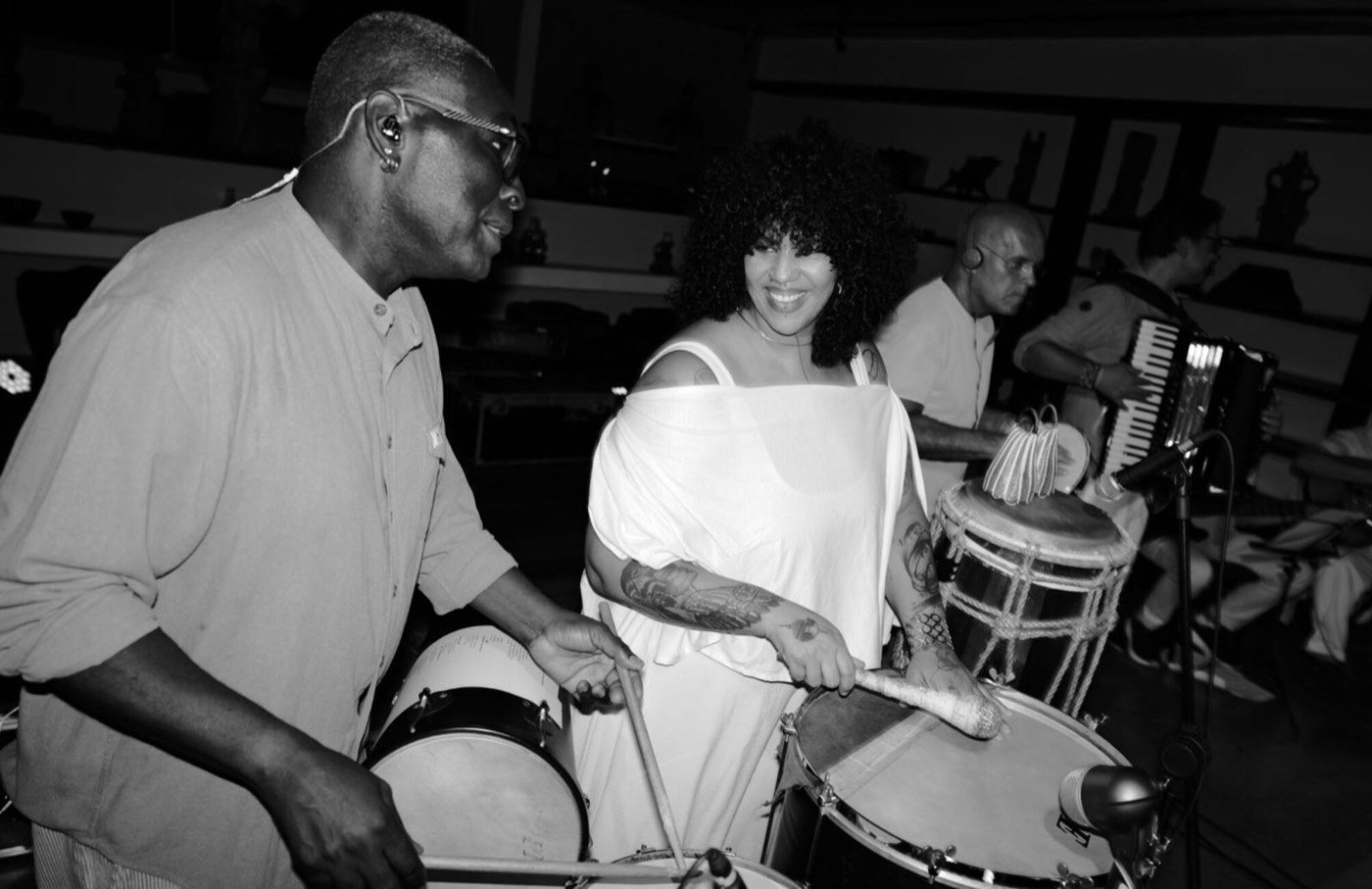
Saturday night ended in a Ciranda. Every person in the room, holding hands. No one planned it. That is what a space can do when it is built right.
I have always thought about spaces as argument rather than background. The way Burle Marx’s sítio in Rio has been tended for decades, each gardener reinterpreting the original care, keeping the essence without copying the form. That is more than maintenance. It is proof that some things only survive through presence: people, in a place, at a specific moment in time.
I just started reading The Disappearance of Rituals, about how we lost the ability to create the kind of encounters that don’t scale. That can’t be replicated, because they were never meant to be. That is what we tried to build with Kunumi last Saturday. A space that could only exist once. That specific group of people, that light, those musicians with no setlist, that table, that food. No agenda. Just presence.
 Open full image ↗
The Ciranda was the answer to a question no one asked out loud. It only happened because everyone was actually somewhere.
What I believe, and what I am still learning
Here is the part I find harder to write. I lead culture at MATTER, and I have watched culture kill strategy more than once, in rooms I was in. The deck was right. The plan was good. And on a bad Tuesday somebody senior tolerated the thing the deck said we would never tolerate, and everyone in the room learned more from that minute than from the offsite. Culture is what gets tolerated, staffed, promoted and shipped. The worst behaviour we accept on a bad Tuesday is the culture, whatever the deck claims. A strategy that isn’t lived doesn’t get diluted. It dies quietly, and it takes with it the trust of the people who believed it.
I write this with some vulnerability, because I have been the one who let the Tuesday pass. Being kind here means saying so.
A shared belief inside the house: machines now make more than anyone can look at. What became scarce is the person who knows what deserves to exist and what to throw away. I believe that person is built, by making, by showing rough work early, by arguing for it up close, until the day the call is yours and the answering is too. And built in public. Taste acquired privately is not taste yet. You have to be wrong out loud, with your name on the thing, and stay reachable after it ships.
 Open full image ↗
What this department is
Its objective is formation. One output: people growing until the house reproduces its own leaders without the founders in the room. Every future studio lead should be traceable to something we ran. It is a working function with a charter, with a budget, a calendar and a number, and it stops being an atmosphere the day it gets one.
Own the review before anything else. The most frequent cultural event here is a critique. Rough work early, the newest person speaking before the heaviest voice, failure as data, the strange idea given time before a framework. If we shape one ritual deeply, it is this one, because it touches the work every day.
One test on every initiative: does it form the people in it and build something past them, both at once? One effect alone is training or marketing. Worth doing sometimes. Culture work needs both.
 Open full image ↗
Mark, don’t buy. Shippings, endings designed instead of projects that just stop, years of growth, the streaks of working well together. If people ask for the hoodie, we make it beautiful. If we push it, it is decoration.
Be in the room for hiring, promotion and departure. The house reads those acts the way it never reads a values deck. The decision stays with the leader. The reading of what it teaches everyone is ours.
Some borders, so nobody mistakes this for HR with better branding. We are not payroll and we are not a complaints channel. Discomfort routes through the management chain, or this loses the authority to ask growth of people. And we transmit only what the partners have resolved. Anything that arrives ambiguous goes back up. That refusal is a service.
 Open full image ↗
What the general channel says when nobody is writing doctrine
I went back through our general channel before writing this, looking for the culture rather than the values. It is there, in the small print. A birthday message that calls someone “the friendliest friend among all the friends we make at work”. A goodbye from someone leaving who wrote that “the human side of the industry is not a myth, it actually exists”. A new baby announced on a Monday morning as a Matter baby. A playlist series where every edition is “a small portrait of the person behind it”, curated by whoever raises a hand, twenty tracks and a short text. A feedback pilot where the input is signed, developmental and confidential, because growth needs a name on it.
And the pauses. Twice a year the studios stop: a play at a small theatre with stage seats in New York, a dinner with guests in São Paulo, a night at a garden in Rio. No agenda. The town hall that week gets cancelled, because the point of the pause is to be in the same place at the same time. Nobody wrote a policy for any of this. It is what people do here when they think no one is watching, which is the only definition of culture I trust.
The measure
We have built brands inside industries that move fast and shine hard. From beauty we learned to craft intimacy at scale. From entertainment, how to hold attention without chasing it. From tech, the cost of execution: when it lands, it lives, and when it doesn’t, it disappears. Each one reshaped how we think about what stays. Gravity over visibility. Authorship over identity. Resonance over performance. Growth is the by-product. Becoming is the job.
Does it stay? If not, we go back. If it doesn’t stay, it doesn’t matter.
It is what happens when a brand stops trying to impress and starts living with people: their language, their rituals, their playlists. And it is what happens inside a company when the values leave the deck and get staffed.
The measure of success is quiet: sessions led by people who aren’t founders, decisions made without asking upward, talent arriving because of what they saw from outside. When writing this down feels redundant, it worked.
This letter is my current best draft, and parts of it are wrong in ways only you can see. Bring disagreement into the room, not after. Tell me where this should go that I haven’t seen. Saturday, nobody planned the Ciranda. Somebody built the room. That is the job.
Roberta Tannus
Roberta Tannus leads Connections & Culture at MATTER+ENERGY, in São Paulo.