 MATTER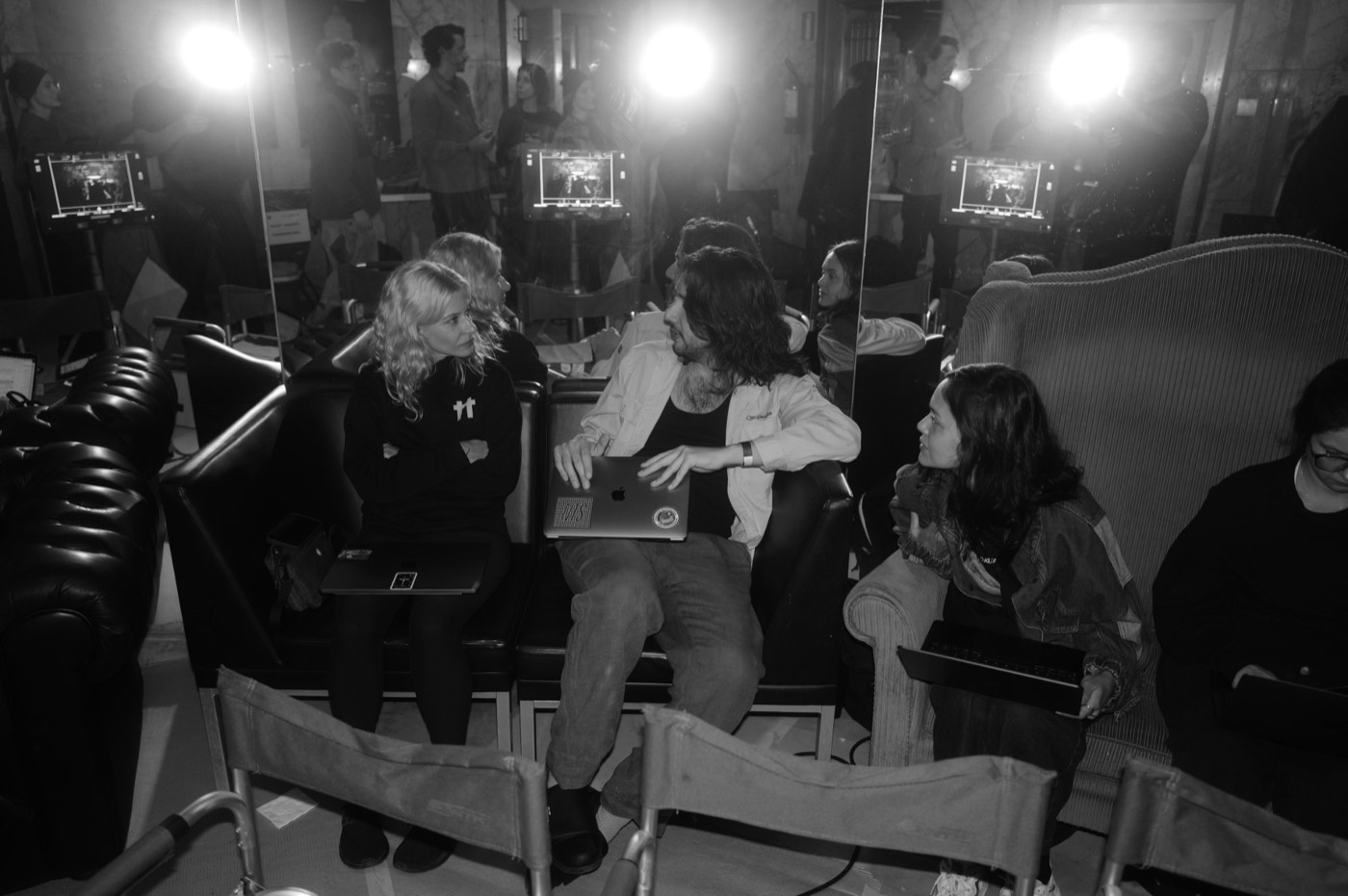
Fernanda Stapassoli, CPO, on the definition of good and the hours it is made of.
I have been on more sets this year than any year before. Different brands, different products, different budgets. Some shoots had three days and a full crew. Some had six hours and a phone. The expectation was identical: the final thing has to be good beyond argument.
And the more I produce, the more I am convinced of something I did not expect to feel this strongly about. The human eye is unbeatable. I mean that as a fact of production. The person on set who sees the light shifted two degrees and the product now reads cold. The art director who knows that a shade of packaging photographs differently than it holds in the hand. The colorist who pushes back on a grade because it is technically correct and emotionally flat. Those calls separate something good from something that just looks good.
AI arrived while we were on set, literally between setups. It is fast, and it generates things that look impressive at first glance. Assembly edits overnight. Shot lists from a brief. Mood boards in seconds. The operational side of production is getting lighter, and I am glad. It frees the team for the part that matters, the quality of the thing that reaches the audience.
The thing is, I keep coming back to the crystals.
Last year we produced a campaign for a limited-edition Razr where 35 Swarovski crystals were hand-applied to each unit, a 26-facet central crystal sitting right on the fold. Each one numbered. Each one certified. Nobody renders that. Someone sat with it, unit by unit, checking the placement, the weight, the way light caught the crystal at that exact angle. The packaging had to match, so that the moment someone held the phone it felt like what it was supposed to be: a genuine object of craft that happened to also be a phone. The film had to translate that. The art direction, the everything.
Then came the Pantone collaboration. Cloud Dancer, Color of the Year 2026, a white so quiet it barely announces itself. Producing for a colour that subtle is its own kind of exposure. Every surface, every material, every lighting choice on set either honours the restraint or betrays it. There is no hiding behind saturation. The product either feels considered or it feels blank, and the distance between those two is entirely a production decision.
Before both, the House of Moto Indigo. A brand colour co-created with Pantone that had to feel the same on devices, packaging, screens and shelves, in different countries, under different light. Getting that right is a production task as much as a design task. It needs someone in the room who knows a shade between blue and purple behaves differently on matte plastic than on glass, differently on a shelf in Chicago than in a window in São Paulo, differently in a photograph than in life. The indigo reads the same in both cities because someone flew to both and checked.
The brief is a promise. The deck is a theory. The thing that ships is the truth.
In campaigns like these the physical object is the message. The packaging, the weight, the texture, the way the box opens. For a product-led brand those details are the campaign, and the judgment calls that protect them happen in the room, on the set, in the conversation with the manufacturer, in the moment someone says this is not right yet and means it.
 Open full image ↗
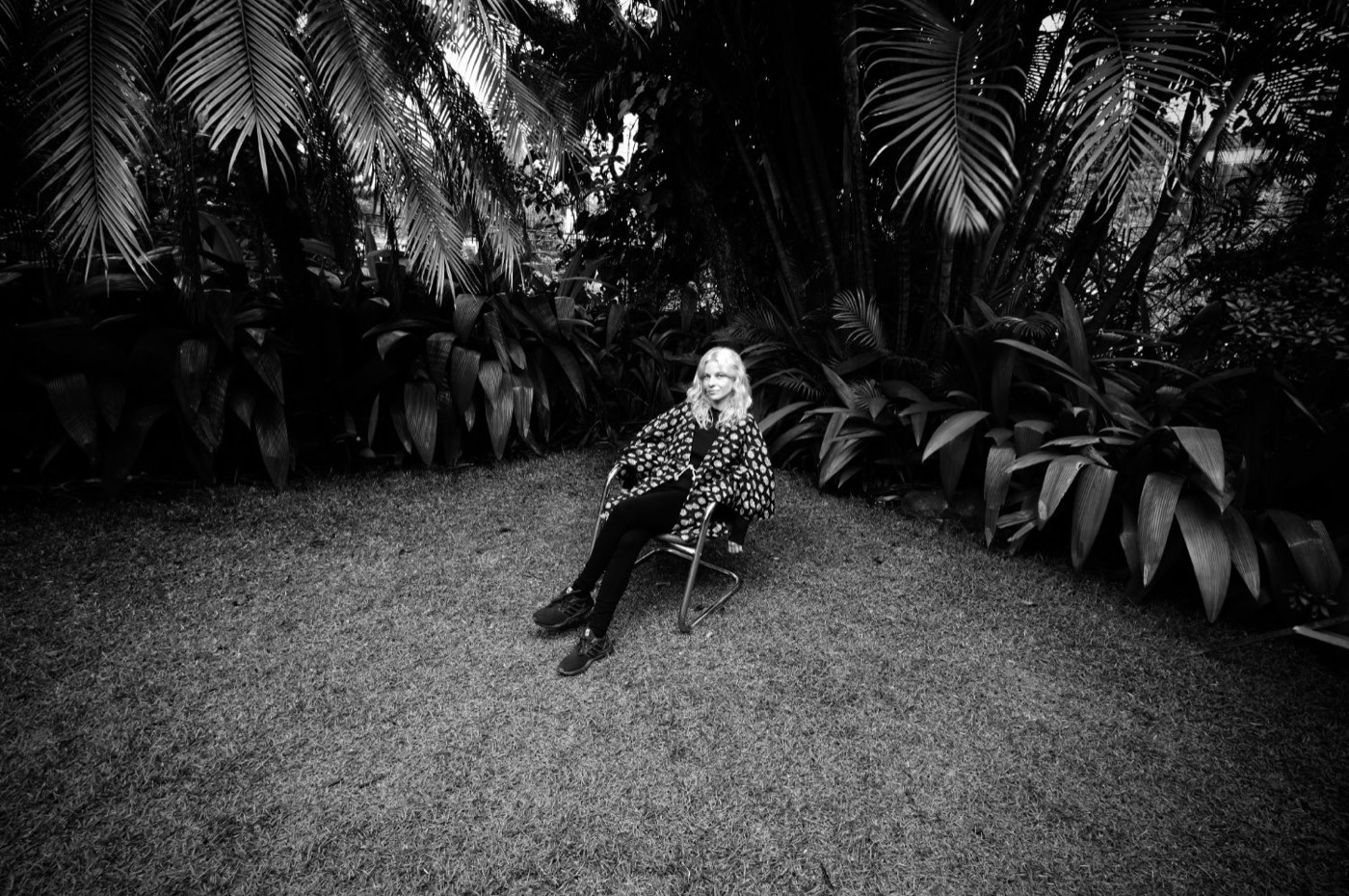
The industry conversation right now is about speed, and the creative role shifting from generation to supervision. I agree with the direction. I worry about the framing. Supervision implies the hard part is done and somebody just checks the work. Anyone who has stood on a set knows the opposite. The hard part is knowing what right looks like before it exists, and holding that in your head while the schedule, the budget and the fourth round of feedback push it somewhere easier. Editing machine output asks for the same taste and the same stubbornness as creating from scratch. Possibly more, because the output arrives so polished that accepting it is the easiest thing in the world.
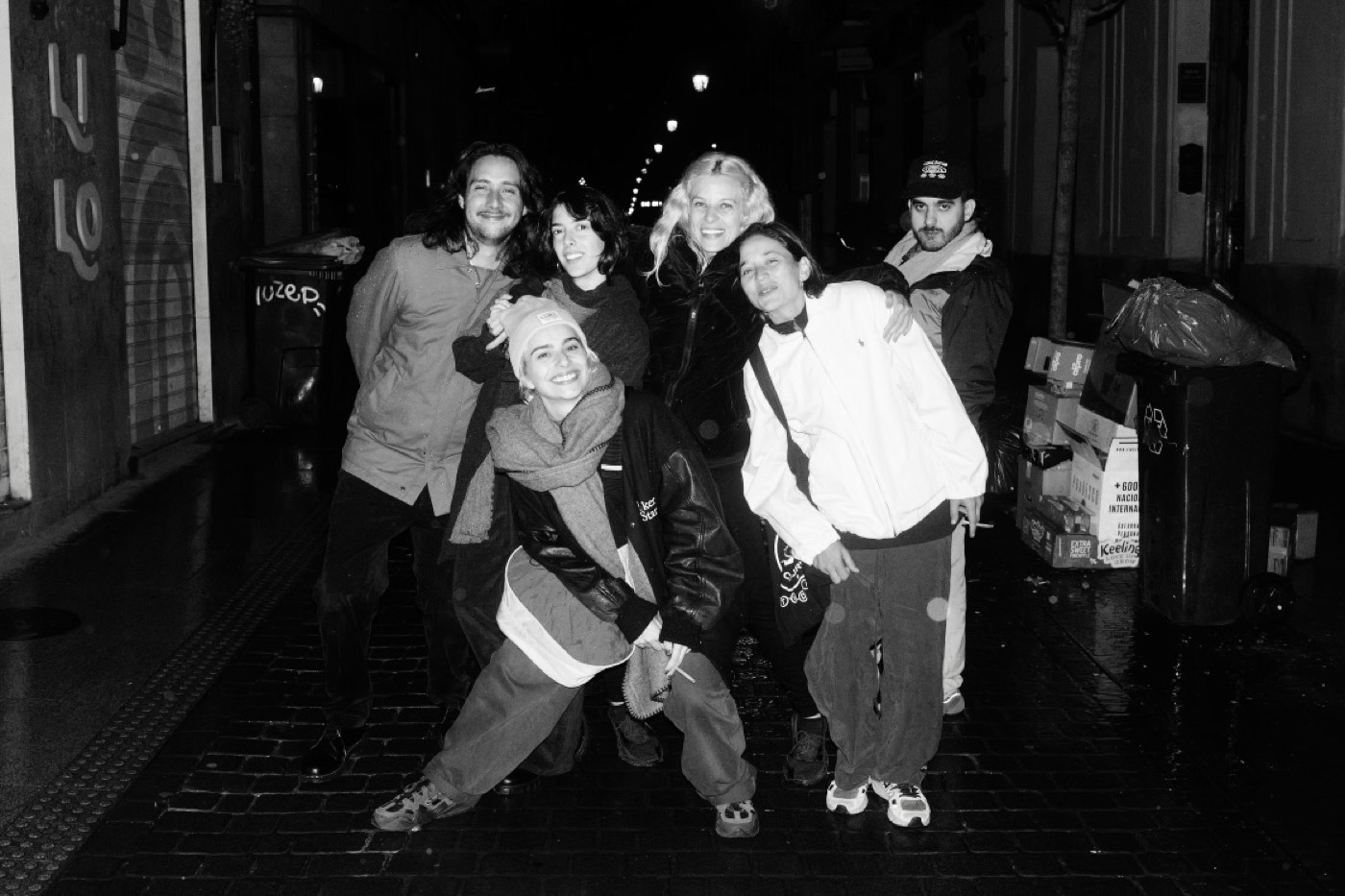
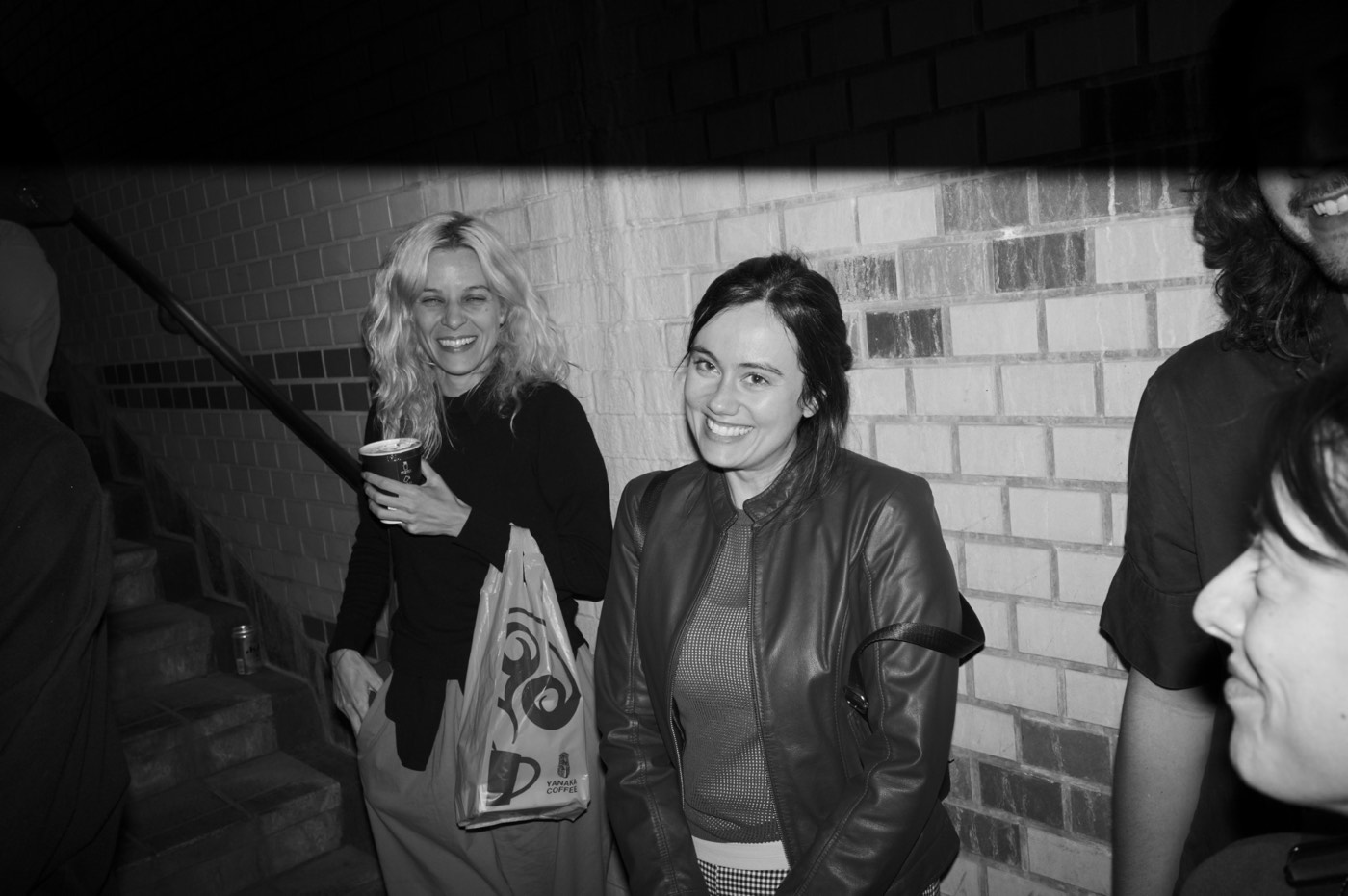
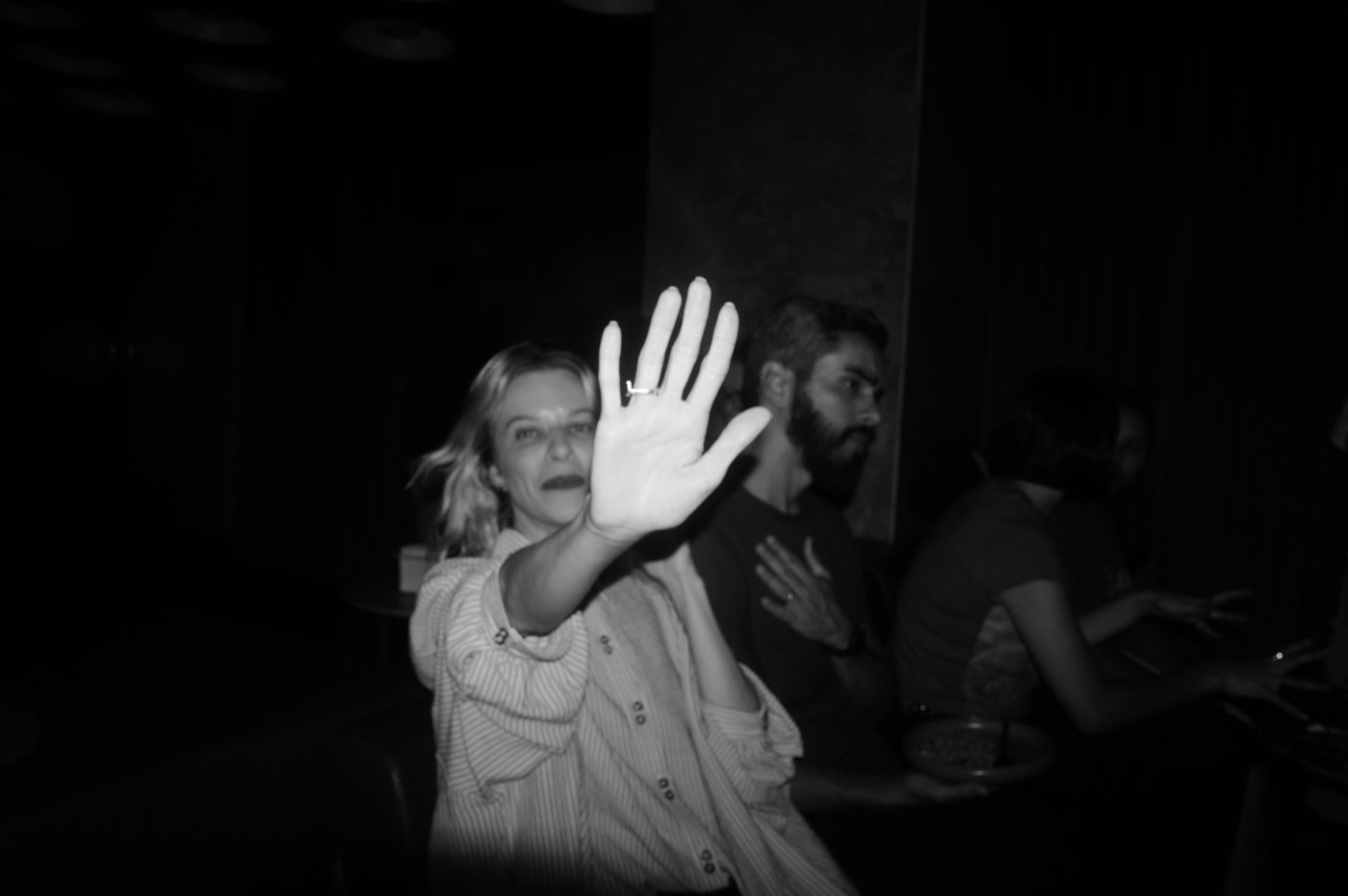
There is a second definition of good, and it never makes the case study. The dinner after wrap. The playlist somebody puts on while the truck gets loaded. The crew that flew in as colleagues and goes home as people who will answer each other's calls for the next ten years. Production is the discipline of time: you plan hours, protect hours, spend hours. It took me too long to notice the hours are also our lives.
 Open full image ↗
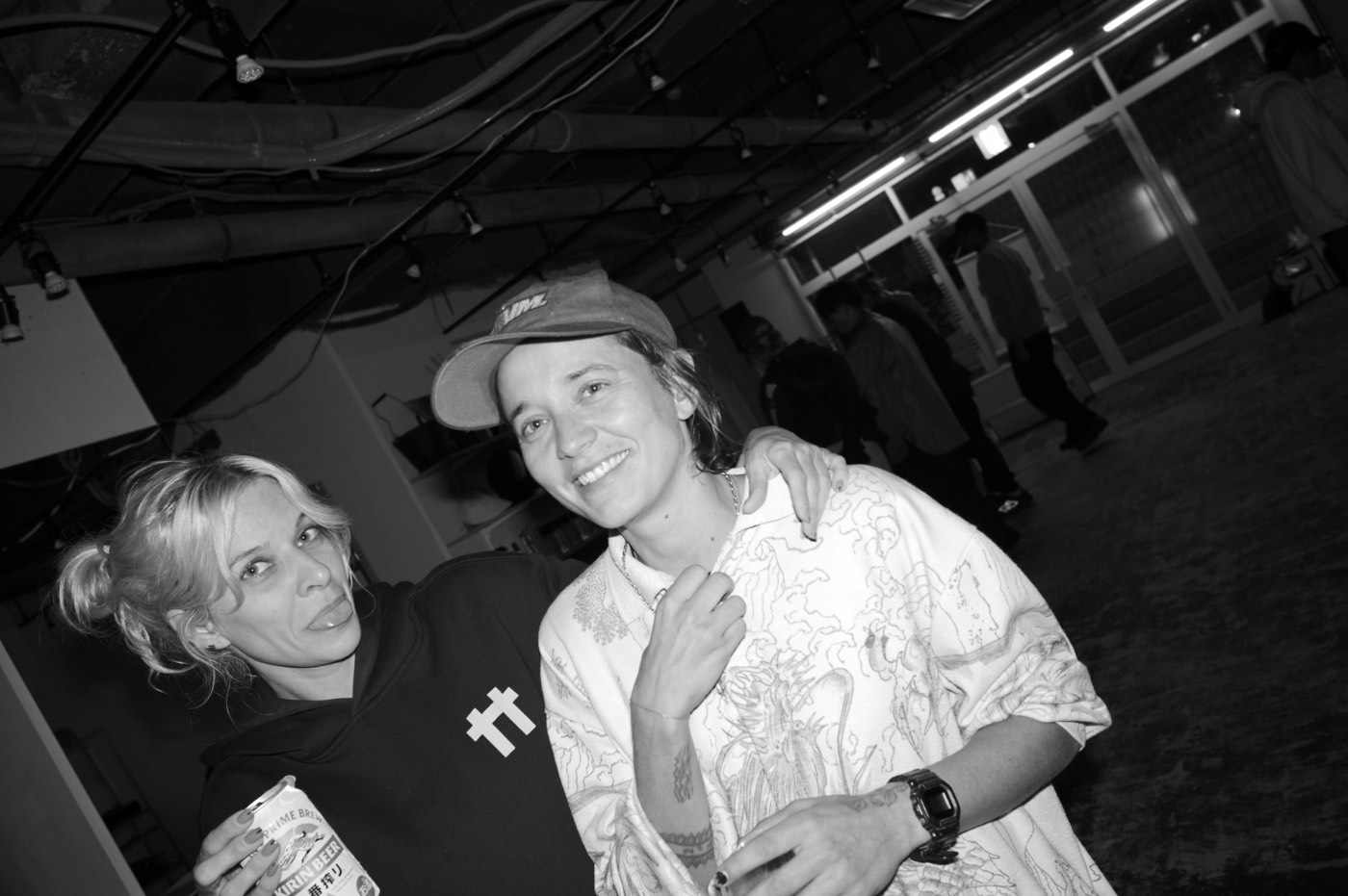
So I produce the night the way I produce the shoot. The same eye that catches the light shifting two degrees is the eye that catches somebody fading at hour ten and calls the break, or the wrap beer, or the dance floor. We will not get those hours back. The people standing in them are the point.
 Open full image ↗
Nobody said any of this is easy. You are the person in the room saying not yet when everyone wants to ship. The fourteenth round of feedback weighs exactly what it sounds like, and you stay in the conversation anyway. And the knowledge it takes does not come from school or a tutorial. You learn it by being there. By getting it wrong on a set in a city you have never worked in and fixing it before lunch. By knowing which manufacturer cuts corners and which one will not. By reading a room, a client, the weather on a shoot day, and adjusting before anyone asks. Street knowledge. It lives in your body, your phone contacts and your years of showing up. Only the ones who have been through it know what it costs.
 Open full image ↗
I want to believe this will not be taken from us, and I do not mean it as an industry wish. The more AI enters production, the more obvious it becomes that the human part was always the valuable part. Strip production for parts and the scheduling, the vendor coordination and the assembly edit go first. What stays is the moment someone looks at the work and knows, in their gut, whether it meets the standard.
Caring whether the thing is good. Actually good. Past the brief, past the approval, good in a way the person holding it can feel. The tools will keep changing. The definition won't.
 Open full image ↗
Fernanda Stapassoli is Chief Production Officer at MATTER+ENERGY. She has produced work across three continents, for brands that do not accept almost, and for the late-night parties that celebrate it. She was in the room for all of it. She is always in the room.